
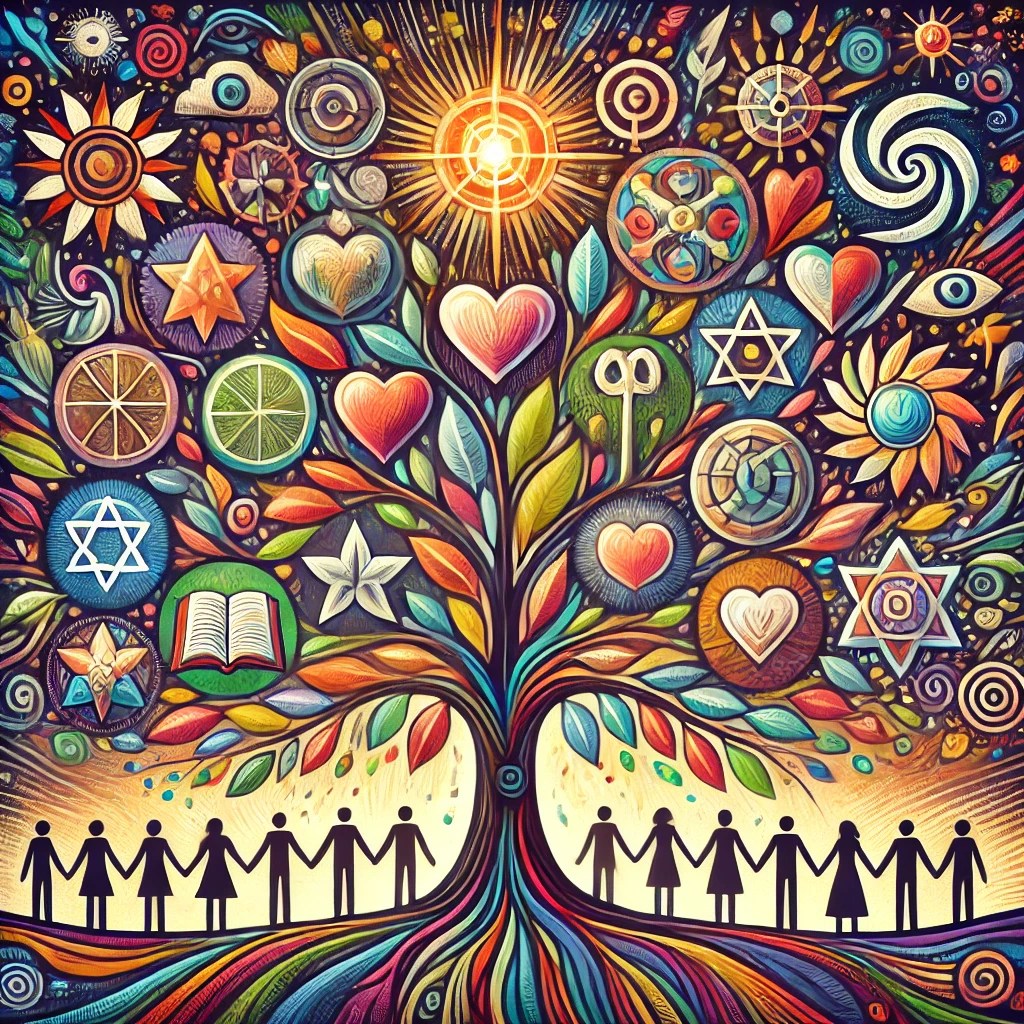
In a world that often equates knowledge with formal education, those without advanced degrees may feel excluded from meaningful conversations about truth, understanding, and growth. However, knowledge is not limited to classrooms or textbooks—it is a universal human capacity. Nexus Epistemology (NE) offers a framework that allows everyone, regardless of educational background, to engage with and contribute to the collective pool of knowledge.
The Problem: Barriers to Knowledge
Traditional systems of education often create an implicit hierarchy of knowledge, leading to:
- Exclusion: A belief that only formally educated individuals can engage in intellectual or professional discussions.
- Alienation: A disconnect from abstract or academic concepts that seem irrelevant to personal experience.
- Undervaluation of lived experiences: The dismissal of practical, experiential knowledge as less valid than theoretical knowledge.
How Nexus Epistemology Levels the Playing Field
Nexus Epistemology breaks down these barriers by emphasizing that knowledge is dynamic, inclusive, and accessible. NE organizes knowledge into personal, universal, meta, and archetypal referents, each of which allows individuals to engage with the world in meaningful ways.
Personal Referents: The Value of Lived Experience
Personal referents stem from an individual’s unique experiences and understanding of the world. This is knowledge derived from living, observing, and reflecting.
- Example: A single parent might possess profound knowledge about resilience, resourcefulness, and emotional intelligence, developed through their life circumstances.
- How NE Helps: NE validates these referents as legitimate and essential sources of understanding, empowering individuals to recognize the value of their experiences.
Universal Referents: Foundational Truths for All
Universal referents are objective truths or constants that are observable and independent of cultural or individual interpretation.
- Example: The cycle of day and night, gravity, or the seasons are universal referents—they are consistent phenomena that anchor human understanding.
- How NE Helps: NE connects personal referents to universal truths, helping individuals contextualize their experiences within a larger framework.
Meta Referents: Guiding Concepts of Meaning
Meta referents are abstract principles that organize and interpret both personal and universal referents. These include values, emotions, and ideals that give depth to human experience.
- Example: Love, justice, or freedom are meta referents—they are not universal truths but rather concepts that emerge from human attempts to make sense of the world.
- How NE Helps: NE allows individuals to interact with meta referents meaningfully, whether through personal reflection, storytelling, or cultural narratives.
Archetypal Referents: Timeless Patterns
Archetypal referents are recurring symbols, themes, or roles that appear across cultures and time. They resonate deeply with human psychology.
- Example: The archetype of “the caregiver” or “the hero” transcends individual and cultural boundaries, offering shared frameworks for understanding human behavior.
- How NE Helps: NE recognizes these patterns as tools for connecting individual experiences to broader human narratives.
Bridging the Gap Between Experience and Knowledge
For those without formal education, Nexus Epistemology provides a bridge between lived experiences and larger systems of understanding. By validating personal referents and connecting them with universal and archetypal ones, NE:
- Empowers individuals to claim their role in knowledge creation.
- Encourages deeper meaning-making through reflection and dialogue.
- Promotes inclusivity in conversations about truth, values, and purpose.
An Example in Practice
Consider someone with no formal education in science but a lifetime of farming experience. This individual may not know scientific terminology but understands the interplay of weather patterns, soil health, and plant cycles—universal referents observed in their environment. NE validates this expertise and connects it to archetypal roles (e.g., the steward of the land) and meta referents like sustainability or resilience.
Knowledge Belongs to Everyone
Nexus Epistemology reminds us that knowledge is not confined to academic institutions but is a shared human capacity. NE allows people without formal education to:
- Recognize the value of their lived experiences.
- Connect their personal insights to universal and archetypal truths.
- Engage with meta referents in ways that deepen meaning and enrich life.
Because in the end, knowledge is not about where you learned it but how it helps you navigate and contribute to the world.
 Soulstice Counseling