The Role of Archetypes in the Epistemic field: Understanding Their Impact on Knowledge and Meaning

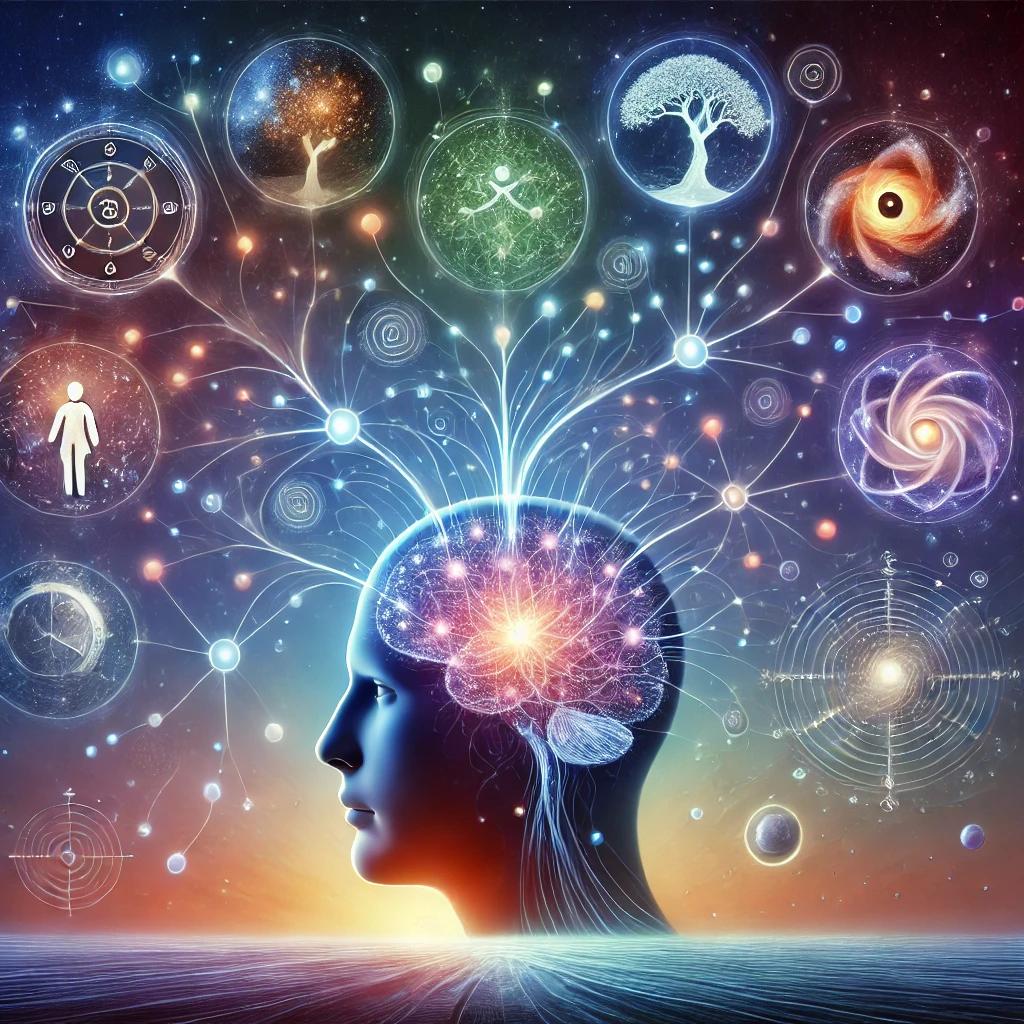
At the heart of Nexus Epistemology lies the understanding that knowledge is not just an abstract collection of facts but a deeply relational and dynamic process shaped by our inner and outer worlds. One of the most powerful ways to understand this process is through the concept of archetypes—universal symbols and patterns that reside within the human psyche and shape how we perceive and interact with the world. Jung wrote, “The archetype is not a thing, but a function; it is not a fixed content, but an organizing principle that works through the unconscious.” Neumann (1954) articulated, “The archetype is a universal, structural element of the unconscious that shapes the development of consciousness and the process of individuation.” In this blog, we will explore how archetypes function within the epistemic field and their role in the construction of meaning.

What Are Archetypes?

Archetypes are primordial images, symbols, and motifs that emerge across cultures, time periods, and personal experiences. They are deeply embedded in the human unconscious and have been a central concept in psychology, particularly in Carl Jung’s theories. According to Jung (1964), archetypes are shared patterns of thought and behavior that transcend individual experiences. They are the blueprints from which individuals draw meaning and understanding about themselves, others, and the world around them.

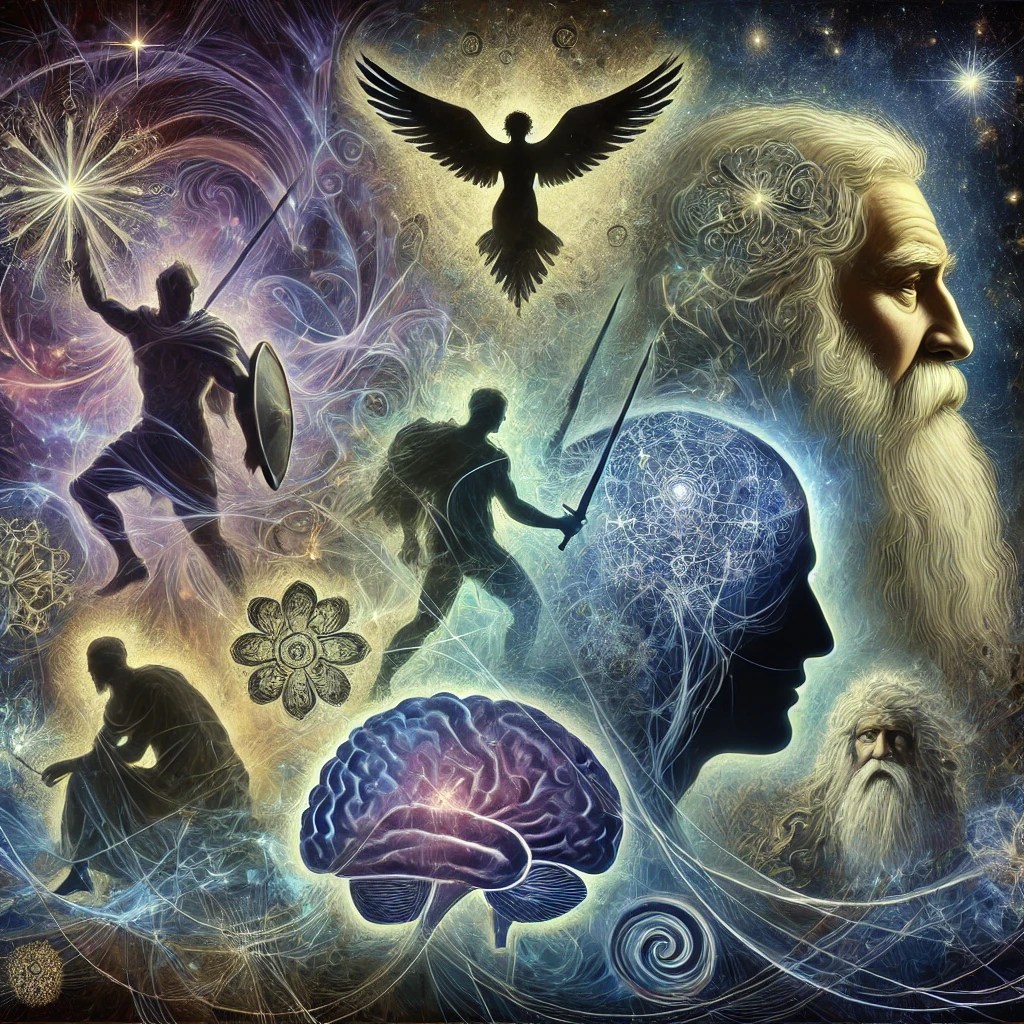
These archetypal patterns can be observed in myths, stories, religious symbolism, and even in everyday life. Common examples include the Hero, the Shadow, the Wise Old Man, and the Anima/Animus. These archetypes are not merely psychological constructs but also carry deep epistemic implications, as they shape how we come to know and understand the world.

Archetypes and the epistemic field

The Epistem, as defined within Nexus Epistemology, is the force whereby knowledge is generated in living brains. The epistmic field, however, is an individual manifestation of the Epistem in a singular person and brain, which grows over the course of our life as we learn and grow. One might say that the epistemic field is a dynamic space where personal experiences, cultural narratives, and collective consciousness intersect. For example, if a person goes to school throughout their life, their epistemic field will look different from someone who does not and so will their neural networks. One way or the other though, our brains will create neural networks and will establish a knowledge base, and this makes up the entirety of our individualized epistemic field. Naturally, the role of archetypes within this field is profound, as they function as both lenses through which we perceive the world and as frameworks that help us organize and process the knowledge we encounter.

  1. Archetypes as Lenses of Perception: Archetypes serve as filters through which individuals interpret reality. For instance, a person who identifies with the archetype of the Hero may view life’s challenges as opportunities for personal growth and triumph. Conversely, someone embodying the archetype of the Victim might perceive the same challenges as insurmountable obstacles. These archetypal perspectives influence how individuals construct meaning from their experiences acting as lenses through with we see the world. In therapy, understanding the archetypes that a client identifies with can provide valuable insights into their worldview and cognitive patterns. For the client, the archetype is a orienting mechanism through which they conceptualize new and recurrent possibilities. By recognizing which archetypes dominate our thinking, a therapist can help clients reframe their experiences and encourage more empowering interpretations of their lives. One possible way to do this in our life is to establish our relationships to the archetypes first and then reframe our relationship to them through “archtypal journey mapping.” We will cover this concept in more detail in a later blog post.
  2. Archetypes as Organizing Structures for Knowledge: Archetypes not only shape perception but also act as organizing structures within the epistemic field. As individuals navigate through life, they encounter various pieces of knowledge—ideas, beliefs, experiences—that are often fragmented and disconnected. Archetypes provide a way to organize these disparate pieces into cohesive, meaningful narratives. Consider the archetype of the Mentor, for example. A person may learn a variety of lessons from different sources—teachers, books, personal experiences—but these lessons are often scattered. When the individual consciously connects these lessons to the Mentor archetype, they begin to see the lessons as part of a larger process of personal growth and wisdom. The archetype helps integrate seemingly unrelated bits of knowledge into a unified whole. This is particularly significant in therapeutic contexts, where clients often struggle with fragmented or incoherent understandings of their lives. By engaging with archetypes, therapists can help clients piece together a more comprehensive and meaningful narrative that brings coherence to their experiences.
  3. Archetypes in the Cultural Context: Archetypes are not only personal but also cultural. Every culture has its own set of archetypal figures and narratives that shape the collective consciousness. These cultural archetypes inform how knowledge is passed down, what is considered meaningful, and what is valued. In the context of counseling, cultural archetypes are especially important. Therapists must be aware of the cultural archetypes that influence their clients’ perceptions of the world. For instance, in some cultures, the archetype of the Warrior may embody strength, resilience, and honor, while in others, the archetype of the Caregiver may emphasize nurturing and selflessness. Understanding these cultural archetypes can help therapists better understand their clients’ values, struggles, and goals, allowing for a more culturally competent and effective therapeutic process.
  4. The Dynamic Interaction of Archetypes in the Epistemic Field: Archetypes do not exist in isolation; they are constantly interacting with one another within the epistemic field. This dynamic interaction shapes how individuals understand themselves and the world. For example, the Hero archetype might conflict with the Shadow archetype, leading to internal tension and struggles over identity. Similarly, the Wise Old Man archetype might clash with the Trickster, creating moments of paradox and revelation. In therapy, these archetypal conflicts can be fertile ground for exploration. By identifying and mapping out the relationships between the archetypes that a client is engaging with, a therapist can help the client navigate these tensions and arrive at deeper insights about their identity, purpose, and life choices.

Archetypes in Therapeutic Practice

  1. Archetypal Mapping in Therapy: One of the most powerful tools in Nexus Epistemology is archetypal mapping. This process involves identifying the archetypes that dominate a client’s worldview and mapping them out to understand the interconnections between different patterns of meaning. By making these connections explicit, therapists can guide clients in understanding how their current life challenges relate to larger, universal archetypal themes. The process of archetypal mapping involves six major steps: 1) introduction to archetypes, 2) Identifying your archetypes, 3) Exploring archetypal manifestations, 4) Exploring how these archetypes serve us, 5) Reframing and integration, and 6) Creating an Archetypal Map. Again, we will cover this in detail in a future blog post.
  2. Empowering the Client with Archetypal Awareness: An essential part of the therapeutic process is empowering clients to recognize and work with the archetypes present in their lives. This awareness allows clients to move beyond limiting patterns and adopt new ways of thinking and being. For example, a client who sees themselves as a Victim might be introduced to the archetype of the Warrior, helping them reclaim their personal agency and power.

Conclusion

Archetypes play a central role in Nexus Epistemology by acting as both the lenses through which we perceive the world and the organizing structures that shape our knowledge and meaning. They are integral to understanding how we construct reality, navigate life’s challenges, and integrate personal and collective knowledge. By recognizing and working with archetypes, therapists can facilitate deep, transformative change in their clients, helping them develop a more coherent and empowered narrative of their lives.

As you engage with your own epistemic field, take a moment to reflect on the archetypes that shape your understanding of the world. How do these archetypes influence your decisions, relationships, and sense of purpose? By uncovering and exploring these patterns, you can unlock new possibilities for growth, transformation, and meaning in your own life.

References

Campbell, J. (2004). The hero with a thousand faces (2nd ed.). Princeton University Press.

Jung, C. G. (1964). Man and his symbols. Doubleday.

Jung, C. G. (1970). Psychological aspects of the archetype. In Collected works of C.G. Jung (Vol. 9, Part 1). Princeton University Press.

Neumann, E. (1954). The origins and history of consciousness. Princeton University Press.

Stein, M. (1998). Jung’s map of the soul: An introduction. Open Court.
Nexus Epistemology in Cognitive Behavioral Therapy: Addressing Informational Structures

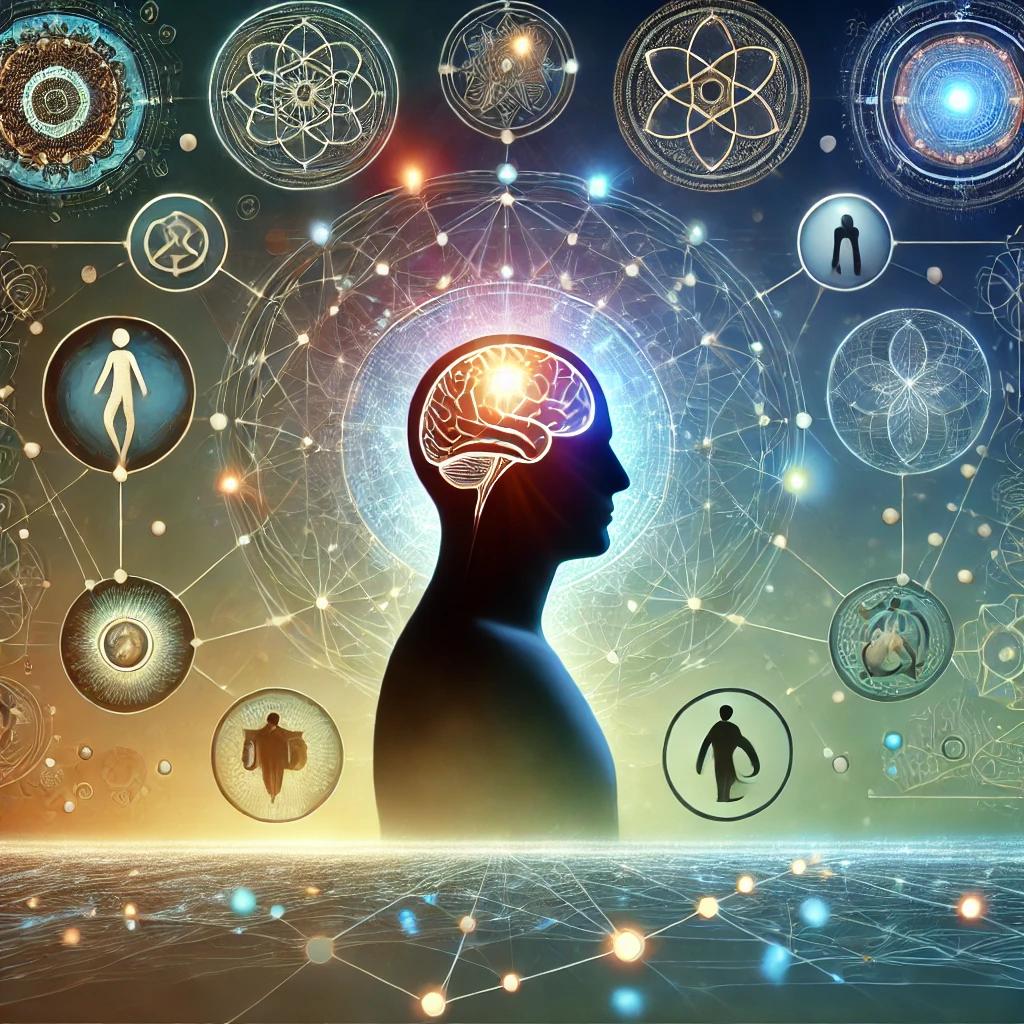
Cognitive Behavioral Therapy (CBT) is one of the most widely practiced and evidence-based approaches in modern psychotherapy. It focuses on identifying and challenging automatic thoughts and behaviors to facilitate healthier cognitive and emotional patterns. Nexus Epistemology offers a complementary lens to CBT, expanding its focus by addressing the underlying informational structures—the epistemic field—that influence these thoughts and behaviors.

By integrating Nexus Epistemology into CBT, therapists can go beyond surface-level cognitions to explore the referents that form the foundation of a client’s thought patterns and actions.


The Epistemic Field and Automatic Thoughts

In CBT, automatic thoughts are seen as immediate, reflexive interpretations of events that often reflect underlying beliefs. Nexus Epistemology views these thoughts as expressions of deeper informational structures within the epistemic field. The epistemic field includes:

  1. Personal Referents: Past experiences, memories, and self-perceptions that shape thought patterns.
  2. Contextual Referents: Environmental and situational influences, such as social norms or workplace dynamics.
  3. Universal Referents: Objective realities, like time or physical sensations, that influence cognitive processing.
  4. Meta-Referents: Abstract organizing principles that align and give meaning to experiences, such as cultural narratives or values.
  5. Archetypal Referents: Deep symbolic patterns, such as “the caregiver” or “the shadow,” that influence thoughts and behaviors at a subconscious level.

CBT typically focuses on identifying and challenging dysfunctional automatic thoughts. Nexus Epistemology deepens this process by helping clients and therapists identify which referents in the epistemic field are contributing to these thoughts and how they might be restructured.


How Nexus Epistemology Enhances CBT

1. Mapping the Informational Structure of Thoughts

  • In CBT, clients are encouraged to identify their automatic thoughts and the situations that trigger them. Nexus Epistemology builds on this by helping clients explore the referents underlying these thoughts.
  • Example: A client with the automatic thought, “I’m a failure,” may identify personal referents (a memory of a past mistake), contextual referents (pressure from a competitive workplace), and archetypal referents (the shadow archetype representing self-doubt).

2. Reframing Dysfunctional Beliefs Through Meta-Referents

  • CBT emphasizes restructuring core beliefs. Nexus Epistemology adds depth by introducing meta-referents—principles that can help realign and organize personal and contextual referents.
  • Example: A client struggling with perfectionism can be guided to adopt a meta-referent like “Growth over perfection,” aligning their personal and contextual experiences with a healthier worldview.

3. Integrating Archetypal Narratives

  • Archetypal referents provide a powerful way to reframe experiences in a broader, more meaningful context.
  • Example: A client experiencing impostor syndrome might be encouraged to see themselves as the hero archetype on a journey of growth, reframing challenges as necessary trials in their story.

4. Addressing Cognitive Dissonance Within the Epistemic Field

  • CBT identifies and resolves cognitive distortions. Nexus Epistemology identifies informational conflicts in the epistemic field that contribute to these distortions.
  • Example: A client may feel torn between a personal referent of valuing creativity and a contextual referent of being in a rigid, rule-driven workplace. Addressing this conflict helps resolve the distortion.

Practical Techniques for Therapists

To integrate Nexus Epistemology into CBT, therapists can use the following techniques:

  1. Referent Mapping: Help clients map out the referents in their epistemic field that contribute to automatic thoughts and behaviors.
  2. Narrative Reframing of Archetypes: Identify archetypal patterns in clients’ lives and reframe them in empowering ways.
  3. Meta-Referent Integration: Work with clients to adopt new organizing principles that reshape how they interpret personal and contextual experiences.
  4. Contextual Exploration: Analyze how environmental referents influence thought patterns, identifying areas for change or acceptance.
  5. Archetypal Journey Mapping: Guide clients in seeing their struggles as part of a larger narrative, fostering resilience and motivation.

A Case Example

Client Situation: Sarah struggles with anxiety related to her career, often thinking, “I’m not good enough to succeed.”

CBT Approach: Sarah identifies the situations that trigger this thought (e.g., receiving feedback from a supervisor) and challenges the distortion by examining evidence for and against it.

Nexus Epistemology Approach: Sarah explores the referents in her epistemic field:

  • Personal Referents: A memory of being told she wasn’t smart enough as a child.
  • Contextual Referents: Working in a competitive environment with little affirmation.
  • Archetypal Referents: The “shadow” archetype representing her fear of inadequacy.

Sarah reframes her narrative by aligning with a meta-referent: “Growth is more important than perfection.” She also adopts the archetypal journey of the “hero,” recognizing her career challenges as steps in her path toward mastery and fulfillment.


Why This Integration Works

CBT provides effective tools for identifying and changing thought patterns. Nexus Epistemology complements and enhances these tools by:

  • Addressing the informational structures underlying automatic thoughts.
  • Providing a framework for exploring deeper meaning in cognitive and behavioral patterns.
  • Empowering clients to reshape their epistemic field in alignment with their values and goals.

This integration not only improves cognitive and emotional outcomes but also fosters a sense of purpose and coherence in clients’ lives.


Conclusion

By integrating Nexus Epistemology into CBT, therapists can move beyond surface-level cognitions to address the rich, underlying informational structures that shape thoughts and behaviors. This approach deepens the therapeutic process, empowering clients to reframe their experiences and create lasting change.

For therapists and clients alike, Nexus Epistemology offers a path to greater understanding, transformation, and alignment between thought, emotion, and action.


References

Beck, J. S. (2020). Cognitive behavior therapy: Basics and beyond (3rd ed.). Guilford Press.

Bernecker, S. L., & Coyne, A. E. (2022). Cognitive behavioral therapy: Current practices and future directions. Current Opinion in Psychology, 41, 1-5. https://doi.org/10.1016/j.copsyc.2021.12.008

Kleinman, A. (2006). What really matters: Living a moral life amidst uncertainty and danger. Oxford University Press.

Neenan, M., & Dryden, W. (2010). Cognitive therapy in a nutshell. SAGE Publications.

Samuels, A. (1985). Jung and the post-Jungians. Routledge.

Reframing Emotional Responses Through the Epistemic Field: A Nexus Epistemology Approach

In the landscape of therapeutic practice, emotions are often seen as both the key to understanding a client’s experience and a barrier that can prevent progress. Nexus Epistemology offers a unique lens for addressing emotional challenges by focusing on the informational content of the epistemic field—the personal network of referents that shapes how individuals perceive and respond to the world.

This approach not only helps clients identify the roots of their emotional responses but also empowers them to reinterpret those responses in ways that lead to growth, healing, and resilience.


What Is the Epistemic Field?

The epistemic field is the personal and contextual framework of information that influences how we interpret and interact with the world. It consists of five types of referents:

  1. Personal Referents: Individual experiences, memories, and internal narratives that shape identity and perception.
  2. Contextual Referents: Environmental and situational factors, such as relationships, cultural settings, and societal norms.
  3. Universal Referents: Objective elements of reality, such as time, space, and physical sensations.
  4. Meta-Referents: Abstract organizing principles, like archetypes or cultural narratives, that provide meaning and structure to our experiences.
  5. Archetypal Referents: Deep, symbolic patterns of human experience, such as the hero, caregiver, or shadow, that exist across cultures and time periods (Jung, 1964).

Emotions arise as a response to the interaction between these referents. By examining the informational content of the epistemic field, therapists can help clients understand why they feel a certain way and guide them in reframing those feelings.


The Nexus Epistemology Approach to Emotional Reframing

Nexus Epistemology reframes emotions as informational signals—responses to the way referents are processed and interpreted within the epistemic field. When clients experience overwhelming or unhelpful emotions, the issue often lies in how their epistemic field is structured or interpreted, rather than in the emotion itself.

Here’s how therapists can use this framework in practice:

1. Identify the Emotional Trigger

Begin by helping the client identify the specific referent that triggered the emotional response.

  • Was it a personal referent, like a painful memory?
  • A contextual referent, such as a difficult relationship or societal expectation?
  • A universal referent, such as physical pain or a sense of time running out?
  • A meta-referent, like feeling they’ve failed to meet a cultural archetype?
  • An archetypal referent, such as confronting their inner “shadow” or yearning for the “caregiver”?

Example: A client feels intense anxiety before a presentation. Upon exploration, the trigger includes a contextual referent (a workplace that emphasizes perfectionism) and an archetypal referent (the “hero” archetype struggling to meet the challenge).

2. Deconstruct the Emotional Narrative

Work with the client to break down the informational structure of the emotional response.

  • What personal beliefs or past experiences contribute to this interpretation?
  • How might contextual referents (e.g., a toxic work culture) be amplifying the emotion?
  • Are universal, meta-, or archetypal referents influencing the emotional response?

Example: The client realizes their anxiety stems from a personal referent (a memory of being publicly criticized), a contextual referent (pressure from a competitive workplace), and an archetypal referent (facing the “shadow” of self-doubt; Jung, 1964).

3. Reframe the Emotional Signal

Guide the client to reinterpret the informational content of their epistemic field in a way that shifts the emotional response.

  • Highlight alternative perspectives on the triggering referents.
  • Explore how the emotion might be a signal for growth rather than a barrier.
  • Introduce narratives or meta-referents that support empowerment and resilience (Brown, 2010).

Example: The client reframes their anxiety as a sign of caring deeply about their work, aligning with a meta-referent of personal growth and the archetypal “hero’s journey” of rising to the challenge (Wilber, 2000).

4. Restructure the Epistemic Field

Help the client actively reorganize their epistemic field to support healthier emotional responses in the future.

  • Strengthen positive personal referents, such as achievements and supportive relationships.
  • Adjust the weight given to contextual referents, such as reevaluating the influence of a critical boss.
  • Reinterpret universal referents and integrate empowering archetypal referents.

Example: The client practices self-compassion (meta-referent) and embraces the archetypal narrative of the “hero overcoming self-doubt” to approach presentations with confidence (Kabat-Zinn, 2005).


Practical Techniques for Emotional Reframing

To apply Nexus Epistemology in therapy, consider these techniques:

  1. Referent Mapping: Visualize the epistemic field by categorizing referents into personal, contextual, universal, meta, and archetypal layers.
  2. Narrative Reframing of Archetypes: Help clients identify and reframe archetypal referents in their emotional responses. For instance, reinterpret the “victim” as the “survivor” (Jung, 1964).
  3. Meta-Referent Integration: Introduce organizing principles that align with the client’s values, such as resilience or self-compassion (Brown, 2010).
  4. Cultural Contextualization: Explore how cultural or societal narratives influence contextual referents, offering clients a broader perspective (Siegel, 2012).
  5. Archetypal Journey Mapping: Guide clients in identifying where they are in an archetypal story (e.g., the “call to adventure” or “return with the elixir”) and align their emotional work accordingly (Wilber, 2000).
  6. Transpersonal Exploration: Incorporate meditative or spiritual practices to access meta- or archetypal insights beyond the personal and contextual levels (Kabat-Zinn, 2005).

Why This Approach Works

By focusing on the informational content of the epistemic field, this approach allows clients to move beyond simply managing emotions to understanding and transforming their underlying causes. It empowers them to:

  • Shift perspectives on challenging experiences.
  • Break free from unhelpful narratives.
  • Foster resilience by creating a balanced and supportive epistemic field (Siegel, 2012).

Nexus Epistemology doesn’t just aim to reduce symptoms—it helps clients rewrite their relationship with reality.


Conclusion

Reframing emotional responses through the epistemic field is a powerful tool for fostering growth and healing. By understanding emotions as informational signals and reinterpreting their triggers, clients can transform their inner world and cultivate a sense of empowerment.

Therapists who adopt this approach will find it not only enhances emotional regulation but also deepens clients’ understanding of themselves and their place in the world. Nexus Epistemology offers a way to navigate the complex interplay of information, emotion, and meaning—opening the door to lasting transformation.


References

Brown, B. (2010). The gifts of imperfection: Let go of who you think you’re supposed to be and embrace who you are. Hazelden Publishing.

Damasio, A. (1999). The feeling of what happens: Body and emotion in the making of consciousness. Harcourt Brace.

Gazzaniga, M. S. (2018). The consciousness instinct: Unraveling the mystery of how the brain makes the mind. Farrar, Straus and Giroux.

Jung, C. G. (1964). Man and his symbols. Dell.

Kabat-Zinn, J. (2005). Coming to our senses: Healing ourselves and the world through mindfulness. Hyperion.

Siegel, D. J. (2012). The developing mind: How relationships and the brain interact to shape who we are (2nd ed.). Guilford Press.

Wilber, K. (2000). Integral psychology: Consciousness, spirit, psychology, therapy. Shambhala Publications.

Meta Referents: Guiding Concepts of Meaning

In our quest to understand the world, we often rely on frameworks that give structure to our thoughts and actions. These frameworks are not merely tools of logic; they are deeply rooted in the concepts we use to navigate meaning. Enter meta referents: guiding concepts that transcend the personal and contextual to offer universal points of reference.

In Nexus Epistemology, meta referents play a crucial role in organizing and contextualizing knowledge. They act as bridges between the deeply personal stories we live and the universal principles that connect us all. But what exactly are meta referents, and how do they influence our lives?


What Are Meta Referents?

Meta referents are overarching concepts or structures that provide a shared understanding of meaning across different contexts. They are not bound to a specific individual or culture but are instead concepts that guide and influence collective human understanding.

Examples of meta referents include:

  • Justice: A concept that transcends individual disputes to represent fairness and equality.
  • Love: An idea that spans cultures and epochs, offering a shared language for connection and care.
  • The Hero’s Journey: A narrative structure found in myths and stories worldwide, symbolizing growth and transformation.

While universal in scope, meta referents are not rigid. They interact with personal and contextual referents to create a dynamic and evolving tapestry of meaning.


How Meta Referents Shape Meaning

Meta referents serve as anchors, helping individuals and societies organize their experiences and decisions. Here are a few ways they operate:

1. As Moral Compasses

Meta referents often provide ethical guidelines. For example, the concept of justice shapes laws, social movements, and individual choices, creating a shared understanding of fairness.

2. In Storytelling and Art

Artists and writers often draw on meta referents to create works that resonate universally. The theme of redemption, for instance, appears in religious texts, novels, and films, offering audiences a pathway to explore their own struggles and triumphs.

3. In Conflict Resolution

Meta referents can mediate between personal and cultural differences. By appealing to shared concepts like freedom or dignity, people can find common ground in seemingly insurmountable disputes.

4. In Personal Growth

Meta referents like the Hero’s Journey provide individuals with frameworks to interpret their life experiences. Facing a challenge might feel overwhelming, but viewing it as part of a larger narrative of growth can provide clarity and motivation.


Meta Referents in Nexus Epistemology

In Nexus Epistemology, meta referents occupy a unique position within the broader landscape of human knowledge. They exist between universal referents (timeless, overarching principles) and personal referents (individual experiences and perspectives).

This positioning makes meta referents uniquely flexible:

  • Universal Enough: They resonate with broad audiences, offering shared meaning.
  • Contextual Enough: They can adapt to specific situations, providing practical guidance.

Nexus Epistemology sees meta referents as tools for understanding how human beings organize knowledge, connect across cultures, and evolve collectively.


Why Meta Referents Matter

Meta referents are not abstract ideas confined to philosophy classrooms. They are active participants in our daily lives:

  • They guide our decisions, helping us navigate complexity with greater clarity.
  • They connect us to others by offering shared points of reference.
  • They enrich our sense of purpose by situating personal experiences within universal frameworks.

In a world often characterized by division and fragmentation, meta referents remind us of the shared threads that bind us together.


Living with Awareness of Meta Referents

Recognizing the role of meta referents in your life can lead to a deeper sense of awareness and intentionality. Here are some practical steps:

  • Reflect on Core Beliefs: What guiding principles shape your decisions? Are they personal or derived from larger meta referents?
  • Explore Universal Themes: Look for recurring patterns in the stories, art, and conversations around you. How do they influence your understanding of the world?
  • Engage with Others: Use meta referents to find common ground in discussions and disagreements.

By understanding and embracing meta referents, we can navigate life with a richer, more interconnected sense of meaning.


Conclusion

Meta referents are more than just philosophical constructs; they are the guiding stars that help us make sense of ourselves and our world. Whether in moments of personal reflection, artistic expression, or societal progress, these concepts provide a lens through which we can explore meaning, connection, and growth.

What meta referents resonate most with you? How do they shape your perspective on life? Let’s continue the conversation in the comments below.

Postmodernism vs. Nexus Epistemology: A Battle of Perspectives

In the vast landscape of philosophy and epistemology, postmodernism has long held the stage as a framework for questioning grand narratives and embracing subjectivity. Yet, Nexus Epistemology, a newer philosophical approach, challenges postmodernism by offering an alternative way to understand knowledge, truth, and human experience. Is this a battle of perspectives or an evolution in thought? Let’s explore.


What is Postmodernism?

Postmodernism emerged in the mid-20th century as a critique of modernism and its reliance on objective truth and universal principles. Key tenets of postmodernism include:

  • Skepticism of Grand Narratives: Postmodernism rejects overarching theories that claim to explain everything, such as religion, science, or historical determinism.
  • Relativism: Truth is seen as subjective, constructed by cultural, social, and personal contexts.
  • Decentralization of Authority: Postmodernism deconstructs hierarchies and questions who gets to decide what is “true.”

While postmodernism has profoundly influenced art, literature, and social sciences, its critique-oriented stance has been accused of leaving a void where constructive solutions should be.


Enter Nexus Epistemology

Nexus Epistemology (NE) arises as a framework that both builds upon and critiques postmodern thought. While acknowledging the value of subjectivity and cultural context, it seeks to unify human knowledge through the concept of the epistem—the origin and structure of information.

Key principles of Nexus Epistemology include:

  • Embracing Information as Foundational: NE views information as the building block of all existence, including matter, energy, and cognition.
  • Integration of Subjective and Universal: It recognizes personal referents (individual experiences) while affirming the existence of universal referents (time, space, and other constants).
  • Constructive Synthesis: Rather than rejecting grand narratives, NE seeks to create inclusive frameworks that respect both individual and collective experiences.

Postmodernism vs. Nexus Epistemology

  1. Approach to Truth
    • Postmodernism: All truth is relative, constructed by societal and cultural forces. It resists the idea of a single truth.
    • Nexus Epistemology: Truth exists on multiple levels—personal, cultural, and universal. NE doesn’t dismiss subjectivity but situates it within a broader, interconnected system.
  2. Grand Narratives
    • Postmodernism: Rejects grand narratives as oppressive and reductive.
    • Nexus Epistemology: Sees grand narratives not as universal truths but as meta-referents—tools for organizing and interpreting knowledge. NE doesn’t enforce them but contextualizes their use.
  3. Utility
    • Postmodernism: Focuses on critique and deconstruction, often leaving the responsibility for rebuilding to others.
    • Nexus Epistemology: Offers a constructive framework that integrates knowledge across disciplines, blending subjective and objective realities to guide practical applications.
  4. View of Humanity
    • Postmodernism: Humans are shaped by cultural and linguistic structures; individuality is often a construct.
    • Nexus Epistemology: Humanity is a co-creator of knowledge, capable of perceiving, shaping, and transcending cultural and biological limits.

Why the Battle of Perspectives Matters

The choice between postmodernism and Nexus Epistemology reflects deeper questions about how we understand ourselves and our world:

  • Do we continue deconstructing old systems, or do we work to create new ones?
  • Can we reconcile subjective experiences with universal principles?
  • How do we address the human need for meaning while respecting diversity and individuality?

Nexus Epistemology steps into the void left by postmodernism, offering a framework that honors complexity without descending into chaos. It proposes a model where differences are not contradictions but layers of understanding, united by the informational threads of the epistem.


The Future of Thought

The philosophical tug-of-war between postmodernism and Nexus Epistemology is not about declaring a winner but about moving toward a richer understanding of knowledge and existence. While postmodernism opened the door to questioning and dismantling oppressive systems, Nexus Epistemology builds a path forward by weaving together the personal, cultural, and universal into a coherent whole.

As we grapple with global challenges—political polarization, technological advancements, and ecological crises—this battle of perspectives will shape how we think, learn, and grow. Nexus Epistemology invites us to move beyond critique toward creating a more integrated and meaningful understanding of our world.

What are your thoughts on postmodernism and Nexus Epistemology? Does one resonate with you more? Share your perspectives in the comments below!

Nexus Epistemology: A Grand Theory for Understanding the Universe and Human Experience

In the ever-evolving landscape of psychology and philosophy, there are a few enduring frameworks that strive to explain the core elements of human experience. Among these, Nexus Epistemology offers a groundbreaking, all-encompassing theory that unites neuroscience, psychology, and philosophy. It provides a fresh perspective on how information is the very building block of reality and human consciousness. But is it a grand theory in its own right?

What Makes a Grand Theory?

A grand theory is an expansive framework that attempts to explain a wide range of phenomena—both psychological and physical—through a unified conceptual lens. It provides a comprehensive understanding that not only synthesizes existing knowledge but also predicts outcomes and guides practical applications in real-world settings. Classic examples in psychology include Psychoanalysis, Behaviorism, and Cognitive Theory.

Nexus Epistemology meets these criteria, offering a coherent system that explores the fundamental nature of information as the core substance of existence and cognition. Below, I’ll walk you through the key features that position Nexus Epistemology as a grand theory.

The Core Premise of Nexus Epistemology

At its heart, Nexus Epistemology posits that information is the foundational force behind all matter, energy, and cognition in the universe. The epistem, a term borrowed from epistemology (the theory of knowledge), is defined as the informational structure that organizes everything—from physical matter to thoughts, emotions, and behaviors.

The epistem is the invisible “scaffolding” behind neural networks and the brain’s processing of information. It is, in essence, the guide that helps shape neural connections and how we experience reality. Just as the brain’s neurons process data, the epistem organizes this data to form our perceptions, emotions, and actions.

Nexus Epistemology and the Role of Information

Information isn’t just something we absorb; it is embedded within the very fabric of the universe. Every object, event, and experience in the universe carries informational content that can be interpreted through the lens of the epistem. This idea stretches beyond just the mind and into the ontological realm, where universal referents (like time, space, and weather) and meta-referents (like the Hero’s Journey) help organize our reality.

For instance, the universal referents include things like age, weight, and temperature, which are part of the physical universe. Meanwhile, meta-referents are more abstract concepts like the archetypes or narrative structures (like the Hero’s Journey) that help us organize and interpret those physical realities.

The beauty of Nexus Epistemology is that it embraces flexibility—acknowledging that individuals interpret the same universal principles in unique ways based on their personal epistemic fields. These are shaped by personal and cultural contexts, allowing for both universal and personalized experiences of the world.

Nexus Epistemology: A Holistic Approach to Human Experience

Nexus Epistemology is a comprehensive theory that spans cognition, emotion, behavior, and therapeutic processes:

  • Cognition: The brain’s neural networks are the physical manifestation of the epistem. It organizes and processes sensory data to create our thoughts, memories, and understandings of reality.
  • Emotion: The emotional experience is also informational, shaped by how the epistem interprets sensory input and creates patterns of feeling based on neural pathways.
  • Behavior: Human behavior emerges from the informational content of the epistem and the ways individuals act upon the mental and emotional structures that are created within them.
  • Therapeutic Processes: In therapy, the goal is not just to address thoughts and behaviors directly. Rather, therapeutic interventions help individuals access and reinterpret the informational content within their epistemic field. This can result in reframing emotional responses and behaviors by altering the ways information is processed and understood.

Integration of Neuroscience and Epigenetics

A major strength of Nexus Epistemology is its integration with modern neuroscience and epigenetics. The theory agrees with contemporary science on how neural networks function and how neuroplasticity (the brain’s ability to reorganize itself) plays a role in cognition and behavior. But, Nexus Epistemology goes a step further by proposing that the epistem acts as an organizing force behind these neural processes.

Additionally, epigenetics plays a critical role. The way information is encoded and expressed in our genes is influenced by environmental factors, which shape how we perceive the world and organize our personal referents.

The Philosophical Foundation: Meta-Modernism and Sacred Experience

Nexus Epistemology also draws on a meta-modern perspective, which blends the scientific with the sacred. It acknowledges the importance of ancient wisdom, particularly in the realm of shamanic and spiritual experiences. These practices offer insights into the deep, often inexplicable aspects of human consciousness, which Nexus Epistemology integrates with modern scientific understandings of the brain and body. This approach provides a space for both scientific and spiritual experiences, embracing flexibility and openness to diverse ways of knowing.

Nexus Epistemology in Practice

Therapists and counselors can use Nexus Epistemology to help clients reframe their mental and emotional experiences by targeting the informational content in their epistemic field. This can involve working with personal referents (such as life experiences and memories) and meta-referents (like narratives and cultural archetypes) to help shift their perceptions and behaviors.

Why Nexus Epistemology is a Grand Theory

Nexus Epistemology qualifies as a grand theory because it offers a comprehensive framework that explains how human beings interact with and process the world around them. By focusing on information as the foundational building block of existence, it connects multiple disciplines, including neuroscience, psychology, philosophy, and spirituality, into a cohesive, unified system.

The theory not only offers deep insight into human cognition and behavior but also provides practical applications for therapists and counselors in treating emotional and psychological challenges. It offers the potential to improve both our scientific understanding of human consciousness and our practical therapeutic methods.

Conclusion

In sum, Nexus Epistemology offers a powerful new paradigm for understanding both the nature of reality and the human experience. By positioning information as the foundational principle of existence and cognition, it provides a novel lens through which we can explore and transform our inner worlds and, ultimately, our reality.

As this theory continues to develop, its potential to influence psychology, therapy, and interdisciplinary research could lead to profound shifts in our understanding of the mind, body, and universe. It’s an exciting time to engage with Nexus Epistemology and begin exploring its implications for the future of human knowledge and healing.

Is Nexus Epistemology Only for Philosophers?

Nexus Epistemology might sound like a theory designed for philosophers or intellectuals, but its reach extends far beyond the ivory tower. This framework is about how we, as human beings, organize, interpret, and interact with knowledge in our daily lives. It’s not just for academics; it’s for anyone who seeks to understand themselves and their world better, which is pretty cool if I do say so myself.

A Universal Framework for Knowledge

At its heart, Nexus Epistemology explores the relationship between the Epistem (the origin and collective source of knowledge) and referents (the ways we structure and contextualize knowledge). Whether it’s solving a personal dilemma or advancing scientific understanding, this interplay affects us all.

But what does this mean in real life? Let’s explore some scenarios:


1. Counseling and Personal Growth

Imagine a therapist working with a client who feels stuck in their life. Through a Nexus Counseling approach, the therapist helps the client identify their personal referents—stories they tell themselves about who they are and what they can achieve.

A client struggling with self-worth might carry a personal referent of being “not good enough,” derived from cultural or familial influences. The therapist might introduce meta referents like the Hero’s Journey showing how their challenges are part of a larger narrative of growth and self-discovery. By situating the client’s experience within this structure, the therapist offers new ways to interpret their struggles and envision a path forward.


2. Education and Learning

Teachers constantly help students build knowledge by connecting the abstract to the concrete. Nexus Epistemology provides a framework for how this process works.

A high school science teacher explains gravity (a universal referent) by asking students to experiment with dropping objects of different weights. The teacher encourages students to connect their findings to everyday experiences, like why heavier backpacks feel harder to lift. By doing so, the teacher bridges universal and personal referents, making the abstract principle relatable and memorable.


3. Parenting and Guiding Children

Parents often teach their children values and skills by weaving together lessons from their own experiences and cultural traditions.

A parent teaching a child about honesty might share a personal story (a personal referent) while also referencing cultural tales or fables (meta and archetypal referents) that highlight honesty’s importance. This approach creates a layered understanding that resonates both personally and universally for the child.


4. Workplace Collaboration and Leadership

In team settings, leaders frequently navigate the tension between individual perspectives and group goals. A manager might use Nexus Epistemology to understand how different team members operate from distinct personal referents—e.g., one values collaboration, another prizes efficiency. By identifying meta-referents like shared organizational goals, the manager can guide the team to align their efforts, fostering harmony and productivity.


5. Personal Decision-Making

Nexus Epistemology offers insights into how we approach life’s big decisions by recognizing the different types of knowledge at play. Someone deciding whether to change careers might reflect on their personal referents (e.g., “I’ve always been passionate about helping people”) while considering universal referents like financial stability or societal expectations. By integrating these layers, they can make a choice that feels authentic and balanced.


Why Nexus Epistemology Matters

The beauty of Nexus Epistemology lies in its accessibility. It provides a lens to explore how we organize and interpret knowledge, not just in academic settings but in the most ordinary moments.

  • In Relationships: Understanding how others’ personal referents differ from our own can improve empathy and communication.
  • In Creativity: Recognizing archetypal referents in art, literature, or music can deepen our appreciation and inspire our own creations.
  • In Problem-Solving: Seeing how meta-referents shape societal systems can lead to innovative solutions.

Philosophy for Everyone

At its core, Nexus Epistemology isn’t reserved for philosophers. It’s for anyone curious about how knowledge shapes and organizes their world. Whether you’re a parent, a professional, or someone navigating personal growth, this framework offers practical tools to understand yourself and others more deeply.

The next time you reflect on your choices or help someone else make sense of theirs, consider this: you’re engaging in the very processes Nexus Epistemology describes. And that makes this theory not just a philosophical exercise, but a guide to living a more intentional, meaningful life.


What other real-world examples of Nexus Epistemology can you imagine? Share your thoughts in the comments below!