Reframing Emotional Responses Through the Epistemic Field: A Nexus Epistemology Approach

In the landscape of therapeutic practice, emotions are often seen as both the key to understanding a client’s experience and a barrier that can prevent progress. Nexus Epistemology offers a unique lens for addressing emotional challenges by focusing on the informational content of the epistemic field—the personal network of referents that shapes how individuals perceive and respond to the world.

This approach not only helps clients identify the roots of their emotional responses but also empowers them to reinterpret those responses in ways that lead to growth, healing, and resilience.


What Is the Epistemic Field?

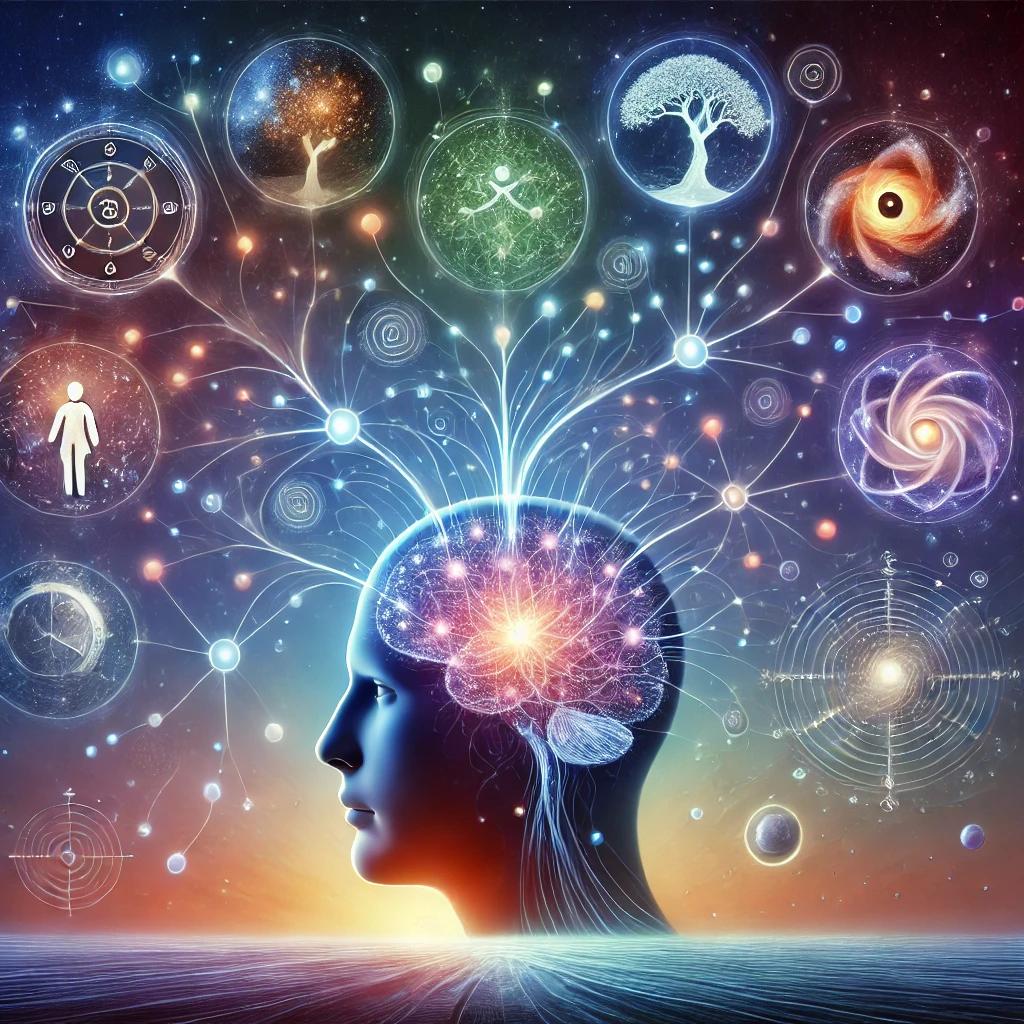
The epistemic field is the personal and contextual framework of information that influences how we interpret and interact with the world. It consists of five types of referents:

  1. Personal Referents: Individual experiences, memories, and internal narratives that shape identity and perception.
  2. Contextual Referents: Environmental and situational factors, such as relationships, cultural settings, and societal norms.
  3. Universal Referents: Objective elements of reality, such as time, space, and physical sensations.
  4. Meta-Referents: Abstract organizing principles, like archetypes or cultural narratives, that provide meaning and structure to our experiences.
  5. Archetypal Referents: Deep, symbolic patterns of human experience, such as the hero, caregiver, or shadow, that exist across cultures and time periods (Jung, 1964).

Emotions arise as a response to the interaction between these referents. By examining the informational content of the epistemic field, therapists can help clients understand why they feel a certain way and guide them in reframing those feelings.


The Nexus Epistemology Approach to Emotional Reframing

Nexus Epistemology reframes emotions as informational signals—responses to the way referents are processed and interpreted within the epistemic field. When clients experience overwhelming or unhelpful emotions, the issue often lies in how their epistemic field is structured or interpreted, rather than in the emotion itself.

Here’s how therapists can use this framework in practice:

1. Identify the Emotional Trigger

Begin by helping the client identify the specific referent that triggered the emotional response.

  • Was it a personal referent, like a painful memory?
  • A contextual referent, such as a difficult relationship or societal expectation?
  • A universal referent, such as physical pain or a sense of time running out?
  • A meta-referent, like feeling they’ve failed to meet a cultural archetype?
  • An archetypal referent, such as confronting their inner “shadow” or yearning for the “caregiver”?

Example: A client feels intense anxiety before a presentation. Upon exploration, the trigger includes a contextual referent (a workplace that emphasizes perfectionism) and an archetypal referent (the “hero” archetype struggling to meet the challenge).

2. Deconstruct the Emotional Narrative

Work with the client to break down the informational structure of the emotional response.

  • What personal beliefs or past experiences contribute to this interpretation?
  • How might contextual referents (e.g., a toxic work culture) be amplifying the emotion?
  • Are universal, meta-, or archetypal referents influencing the emotional response?

Example: The client realizes their anxiety stems from a personal referent (a memory of being publicly criticized), a contextual referent (pressure from a competitive workplace), and an archetypal referent (facing the “shadow” of self-doubt; Jung, 1964).

3. Reframe the Emotional Signal

Guide the client to reinterpret the informational content of their epistemic field in a way that shifts the emotional response.

  • Highlight alternative perspectives on the triggering referents.
  • Explore how the emotion might be a signal for growth rather than a barrier.
  • Introduce narratives or meta-referents that support empowerment and resilience (Brown, 2010).

Example: The client reframes their anxiety as a sign of caring deeply about their work, aligning with a meta-referent of personal growth and the archetypal “hero’s journey” of rising to the challenge (Wilber, 2000).

4. Restructure the Epistemic Field

Help the client actively reorganize their epistemic field to support healthier emotional responses in the future.

  • Strengthen positive personal referents, such as achievements and supportive relationships.
  • Adjust the weight given to contextual referents, such as reevaluating the influence of a critical boss.
  • Reinterpret universal referents and integrate empowering archetypal referents.

Example: The client practices self-compassion (meta-referent) and embraces the archetypal narrative of the “hero overcoming self-doubt” to approach presentations with confidence (Kabat-Zinn, 2005).


Practical Techniques for Emotional Reframing

To apply Nexus Epistemology in therapy, consider these techniques:

  1. Referent Mapping: Visualize the epistemic field by categorizing referents into personal, contextual, universal, meta, and archetypal layers.
  2. Narrative Reframing of Archetypes: Help clients identify and reframe archetypal referents in their emotional responses. For instance, reinterpret the “victim” as the “survivor” (Jung, 1964).
  3. Meta-Referent Integration: Introduce organizing principles that align with the client’s values, such as resilience or self-compassion (Brown, 2010).
  4. Cultural Contextualization: Explore how cultural or societal narratives influence contextual referents, offering clients a broader perspective (Siegel, 2012).
  5. Archetypal Journey Mapping: Guide clients in identifying where they are in an archetypal story (e.g., the “call to adventure” or “return with the elixir”) and align their emotional work accordingly (Wilber, 2000).
  6. Transpersonal Exploration: Incorporate meditative or spiritual practices to access meta- or archetypal insights beyond the personal and contextual levels (Kabat-Zinn, 2005).

Why This Approach Works

By focusing on the informational content of the epistemic field, this approach allows clients to move beyond simply managing emotions to understanding and transforming their underlying causes. It empowers them to:

  • Shift perspectives on challenging experiences.
  • Break free from unhelpful narratives.
  • Foster resilience by creating a balanced and supportive epistemic field (Siegel, 2012).

Nexus Epistemology doesn’t just aim to reduce symptoms—it helps clients rewrite their relationship with reality.


Conclusion

Reframing emotional responses through the epistemic field is a powerful tool for fostering growth and healing. By understanding emotions as informational signals and reinterpreting their triggers, clients can transform their inner world and cultivate a sense of empowerment.

Therapists who adopt this approach will find it not only enhances emotional regulation but also deepens clients’ understanding of themselves and their place in the world. Nexus Epistemology offers a way to navigate the complex interplay of information, emotion, and meaning—opening the door to lasting transformation.


References

Brown, B. (2010). The gifts of imperfection: Let go of who you think you’re supposed to be and embrace who you are. Hazelden Publishing.

Damasio, A. (1999). The feeling of what happens: Body and emotion in the making of consciousness. Harcourt Brace.

Gazzaniga, M. S. (2018). The consciousness instinct: Unraveling the mystery of how the brain makes the mind. Farrar, Straus and Giroux.

Jung, C. G. (1964). Man and his symbols. Dell.

Kabat-Zinn, J. (2005). Coming to our senses: Healing ourselves and the world through mindfulness. Hyperion.

Siegel, D. J. (2012). The developing mind: How relationships and the brain interact to shape who we are (2nd ed.). Guilford Press.

Wilber, K. (2000). Integral psychology: Consciousness, spirit, psychology, therapy. Shambhala Publications.

Meta Referents: Guiding Concepts of Meaning

In our quest to understand the world, we often rely on frameworks that give structure to our thoughts and actions. These frameworks are not merely tools of logic; they are deeply rooted in the concepts we use to navigate meaning. Enter meta referents: guiding concepts that transcend the personal and contextual to offer universal points of reference.

In Nexus Epistemology, meta referents play a crucial role in organizing and contextualizing knowledge. They act as bridges between the deeply personal stories we live and the universal principles that connect us all. But what exactly are meta referents, and how do they influence our lives?


What Are Meta Referents?

Meta referents are overarching concepts or structures that provide a shared understanding of meaning across different contexts. They are not bound to a specific individual or culture but are instead concepts that guide and influence collective human understanding.

Examples of meta referents include:

  • Justice: A concept that transcends individual disputes to represent fairness and equality.
  • Love: An idea that spans cultures and epochs, offering a shared language for connection and care.
  • The Hero’s Journey: A narrative structure found in myths and stories worldwide, symbolizing growth and transformation.

While universal in scope, meta referents are not rigid. They interact with personal and contextual referents to create a dynamic and evolving tapestry of meaning.


How Meta Referents Shape Meaning

Meta referents serve as anchors, helping individuals and societies organize their experiences and decisions. Here are a few ways they operate:

1. As Moral Compasses

Meta referents often provide ethical guidelines. For example, the concept of justice shapes laws, social movements, and individual choices, creating a shared understanding of fairness.

2. In Storytelling and Art

Artists and writers often draw on meta referents to create works that resonate universally. The theme of redemption, for instance, appears in religious texts, novels, and films, offering audiences a pathway to explore their own struggles and triumphs.

3. In Conflict Resolution

Meta referents can mediate between personal and cultural differences. By appealing to shared concepts like freedom or dignity, people can find common ground in seemingly insurmountable disputes.

4. In Personal Growth

Meta referents like the Hero’s Journey provide individuals with frameworks to interpret their life experiences. Facing a challenge might feel overwhelming, but viewing it as part of a larger narrative of growth can provide clarity and motivation.


Meta Referents in Nexus Epistemology

In Nexus Epistemology, meta referents occupy a unique position within the broader landscape of human knowledge. They exist between universal referents (timeless, overarching principles) and personal referents (individual experiences and perspectives).

This positioning makes meta referents uniquely flexible:

  • Universal Enough: They resonate with broad audiences, offering shared meaning.
  • Contextual Enough: They can adapt to specific situations, providing practical guidance.

Nexus Epistemology sees meta referents as tools for understanding how human beings organize knowledge, connect across cultures, and evolve collectively.


Why Meta Referents Matter

Meta referents are not abstract ideas confined to philosophy classrooms. They are active participants in our daily lives:

  • They guide our decisions, helping us navigate complexity with greater clarity.
  • They connect us to others by offering shared points of reference.
  • They enrich our sense of purpose by situating personal experiences within universal frameworks.

In a world often characterized by division and fragmentation, meta referents remind us of the shared threads that bind us together.


Living with Awareness of Meta Referents

Recognizing the role of meta referents in your life can lead to a deeper sense of awareness and intentionality. Here are some practical steps:

  • Reflect on Core Beliefs: What guiding principles shape your decisions? Are they personal or derived from larger meta referents?
  • Explore Universal Themes: Look for recurring patterns in the stories, art, and conversations around you. How do they influence your understanding of the world?
  • Engage with Others: Use meta referents to find common ground in discussions and disagreements.

By understanding and embracing meta referents, we can navigate life with a richer, more interconnected sense of meaning.


Conclusion

Meta referents are more than just philosophical constructs; they are the guiding stars that help us make sense of ourselves and our world. Whether in moments of personal reflection, artistic expression, or societal progress, these concepts provide a lens through which we can explore meaning, connection, and growth.

What meta referents resonate most with you? How do they shape your perspective on life? Let’s continue the conversation in the comments below.

How Nexus Epistemology Helps People Without Formal Education

In a world that often equates knowledge with formal education, those without advanced degrees may feel excluded from meaningful conversations about truth, understanding, and growth. However, knowledge is not limited to classrooms or textbooks—it is a universal human capacity. Nexus Epistemology (NE) offers a framework that allows everyone, regardless of educational background, to engage with and contribute to the collective pool of knowledge.


The Problem: Barriers to Knowledge

Traditional systems of education often create an implicit hierarchy of knowledge, leading to:

  • Exclusion: A belief that only formally educated individuals can engage in intellectual or professional discussions.
  • Alienation: A disconnect from abstract or academic concepts that seem irrelevant to personal experience.
  • Undervaluation of lived experiences: The dismissal of practical, experiential knowledge as less valid than theoretical knowledge.

How Nexus Epistemology Levels the Playing Field

Nexus Epistemology breaks down these barriers by emphasizing that knowledge is dynamic, inclusive, and accessible. NE organizes knowledge into personal, universal, meta, and archetypal referents, each of which allows individuals to engage with the world in meaningful ways.


Personal Referents: The Value of Lived Experience

Personal referents stem from an individual’s unique experiences and understanding of the world. This is knowledge derived from living, observing, and reflecting.

  • Example: A single parent might possess profound knowledge about resilience, resourcefulness, and emotional intelligence, developed through their life circumstances.
  • How NE Helps: NE validates these referents as legitimate and essential sources of understanding, empowering individuals to recognize the value of their experiences.

Universal Referents: Foundational Truths for All

Universal referents are objective truths or constants that are observable and independent of cultural or individual interpretation.

  • Example: The cycle of day and night, gravity, or the seasons are universal referents—they are consistent phenomena that anchor human understanding.
  • How NE Helps: NE connects personal referents to universal truths, helping individuals contextualize their experiences within a larger framework.

Meta Referents: Guiding Concepts of Meaning

Meta referents are abstract principles that organize and interpret both personal and universal referents. These include values, emotions, and ideals that give depth to human experience.

  • Example: Love, justice, or freedom are meta referents—they are not universal truths but rather concepts that emerge from human attempts to make sense of the world.
  • How NE Helps: NE allows individuals to interact with meta referents meaningfully, whether through personal reflection, storytelling, or cultural narratives.

Archetypal Referents: Timeless Patterns

Archetypal referents are recurring symbols, themes, or roles that appear across cultures and time. They resonate deeply with human psychology.

  • Example: The archetype of “the caregiver” or “the hero” transcends individual and cultural boundaries, offering shared frameworks for understanding human behavior.
  • How NE Helps: NE recognizes these patterns as tools for connecting individual experiences to broader human narratives.

Bridging the Gap Between Experience and Knowledge

For those without formal education, Nexus Epistemology provides a bridge between lived experiences and larger systems of understanding. By validating personal referents and connecting them with universal and archetypal ones, NE:

  • Empowers individuals to claim their role in knowledge creation.
  • Encourages deeper meaning-making through reflection and dialogue.
  • Promotes inclusivity in conversations about truth, values, and purpose.

An Example in Practice

Consider someone with no formal education in science but a lifetime of farming experience. This individual may not know scientific terminology but understands the interplay of weather patterns, soil health, and plant cycles—universal referents observed in their environment. NE validates this expertise and connects it to archetypal roles (e.g., the steward of the land) and meta referents like sustainability or resilience.


Knowledge Belongs to Everyone

Nexus Epistemology reminds us that knowledge is not confined to academic institutions but is a shared human capacity. NE allows people without formal education to:

  • Recognize the value of their lived experiences.
  • Connect their personal insights to universal and archetypal truths.
  • Engage with meta referents in ways that deepen meaning and enrich life.

Because in the end, knowledge is not about where you learned it but how it helps you navigate and contribute to the world.

Nexus Epistemology: A Grand Theory for Understanding the Universe and Human Experience

In the ever-evolving landscape of psychology and philosophy, there are a few enduring frameworks that strive to explain the core elements of human experience. Among these, Nexus Epistemology offers a groundbreaking, all-encompassing theory that unites neuroscience, psychology, and philosophy. It provides a fresh perspective on how information is the very building block of reality and human consciousness. But is it a grand theory in its own right?

What Makes a Grand Theory?

A grand theory is an expansive framework that attempts to explain a wide range of phenomena—both psychological and physical—through a unified conceptual lens. It provides a comprehensive understanding that not only synthesizes existing knowledge but also predicts outcomes and guides practical applications in real-world settings. Classic examples in psychology include Psychoanalysis, Behaviorism, and Cognitive Theory.

Nexus Epistemology meets these criteria, offering a coherent system that explores the fundamental nature of information as the core substance of existence and cognition. Below, I’ll walk you through the key features that position Nexus Epistemology as a grand theory.

The Core Premise of Nexus Epistemology

At its heart, Nexus Epistemology posits that information is the foundational force behind all matter, energy, and cognition in the universe. The epistem, a term borrowed from epistemology (the theory of knowledge), is defined as the informational structure that organizes everything—from physical matter to thoughts, emotions, and behaviors.

The epistem is the invisible “scaffolding” behind neural networks and the brain’s processing of information. It is, in essence, the guide that helps shape neural connections and how we experience reality. Just as the brain’s neurons process data, the epistem organizes this data to form our perceptions, emotions, and actions.

Nexus Epistemology and the Role of Information

Information isn’t just something we absorb; it is embedded within the very fabric of the universe. Every object, event, and experience in the universe carries informational content that can be interpreted through the lens of the epistem. This idea stretches beyond just the mind and into the ontological realm, where universal referents (like time, space, and weather) and meta-referents (like the Hero’s Journey) help organize our reality.

For instance, the universal referents include things like age, weight, and temperature, which are part of the physical universe. Meanwhile, meta-referents are more abstract concepts like the archetypes or narrative structures (like the Hero’s Journey) that help us organize and interpret those physical realities.

The beauty of Nexus Epistemology is that it embraces flexibility—acknowledging that individuals interpret the same universal principles in unique ways based on their personal epistemic fields. These are shaped by personal and cultural contexts, allowing for both universal and personalized experiences of the world.

Nexus Epistemology: A Holistic Approach to Human Experience

Nexus Epistemology is a comprehensive theory that spans cognition, emotion, behavior, and therapeutic processes:

  • Cognition: The brain’s neural networks are the physical manifestation of the epistem. It organizes and processes sensory data to create our thoughts, memories, and understandings of reality.
  • Emotion: The emotional experience is also informational, shaped by how the epistem interprets sensory input and creates patterns of feeling based on neural pathways.
  • Behavior: Human behavior emerges from the informational content of the epistem and the ways individuals act upon the mental and emotional structures that are created within them.
  • Therapeutic Processes: In therapy, the goal is not just to address thoughts and behaviors directly. Rather, therapeutic interventions help individuals access and reinterpret the informational content within their epistemic field. This can result in reframing emotional responses and behaviors by altering the ways information is processed and understood.

Integration of Neuroscience and Epigenetics

A major strength of Nexus Epistemology is its integration with modern neuroscience and epigenetics. The theory agrees with contemporary science on how neural networks function and how neuroplasticity (the brain’s ability to reorganize itself) plays a role in cognition and behavior. But, Nexus Epistemology goes a step further by proposing that the epistem acts as an organizing force behind these neural processes.

Additionally, epigenetics plays a critical role. The way information is encoded and expressed in our genes is influenced by environmental factors, which shape how we perceive the world and organize our personal referents.

The Philosophical Foundation: Meta-Modernism and Sacred Experience

Nexus Epistemology also draws on a meta-modern perspective, which blends the scientific with the sacred. It acknowledges the importance of ancient wisdom, particularly in the realm of shamanic and spiritual experiences. These practices offer insights into the deep, often inexplicable aspects of human consciousness, which Nexus Epistemology integrates with modern scientific understandings of the brain and body. This approach provides a space for both scientific and spiritual experiences, embracing flexibility and openness to diverse ways of knowing.

Nexus Epistemology in Practice

Therapists and counselors can use Nexus Epistemology to help clients reframe their mental and emotional experiences by targeting the informational content in their epistemic field. This can involve working with personal referents (such as life experiences and memories) and meta-referents (like narratives and cultural archetypes) to help shift their perceptions and behaviors.

Why Nexus Epistemology is a Grand Theory

Nexus Epistemology qualifies as a grand theory because it offers a comprehensive framework that explains how human beings interact with and process the world around them. By focusing on information as the foundational building block of existence, it connects multiple disciplines, including neuroscience, psychology, philosophy, and spirituality, into a cohesive, unified system.

The theory not only offers deep insight into human cognition and behavior but also provides practical applications for therapists and counselors in treating emotional and psychological challenges. It offers the potential to improve both our scientific understanding of human consciousness and our practical therapeutic methods.

Conclusion

In sum, Nexus Epistemology offers a powerful new paradigm for understanding both the nature of reality and the human experience. By positioning information as the foundational principle of existence and cognition, it provides a novel lens through which we can explore and transform our inner worlds and, ultimately, our reality.

As this theory continues to develop, its potential to influence psychology, therapy, and interdisciplinary research could lead to profound shifts in our understanding of the mind, body, and universe. It’s an exciting time to engage with Nexus Epistemology and begin exploring its implications for the future of human knowledge and healing.

What is Nexus Epistemology?

by Alex Ayvazian, MS, APC (GA), NCC

I wanted to begin by introducing my proposed theory of knowledge that can have many applications to the academic disciplines. My discipline is counseling, one of the many professions in mental healthcare, but this does not change the relevance of Nexus Epistemology (NE) to many fields. I created this theory with the intent of grounding my counseling practice in several traditions. The traditions I pull from include depth psychology, neuroscience, epigenetics, existentialism, narrative studies, and chaos theory. However, as we will see, the goal here is flexibility, and, thus, I will pull from many different bodies of work when it feels appropriate with deliberate intent. My goal is to find harmony and integration between these traditions using the philosophical framework known as Metamodernism. I will discuss Metamodernism’s relationship to Nexus Epistemology later. For now, we will start with the basics of this new approach.

Nexus Epistemology posits the Epistem as a foundational, dynamic force that generates the potential for human knowledge. This force, originating from both biological evolution and epigenetics, is not confined by time or space; rather, it transcends these dimensions and exists both within and outside human beings. It enables individuals to perceive, create, and retain knowledge through neural processes, providing the framework for cognition and understanding.

The epistem serves as the origin of knowledge, operating as both the epiphenomena of human understanding and the driving force behind it. While grounded in the development of the human brain, it extends beyond neurological processes, influencing both personal and collective cultural knowledge. The Epistem’s relationship to time and space further complicates its origin, as it transcends these concepts, existing both within the individual’s perception and as a universal, cross-cultural force.

The epistem is shaped through the active processes of experts who develop language models to represent referents—symbols or terms that stand for specific phenomena or psychological states. These referents are not static; they reflect the evolving nature of knowledge and can vary across cultures and time. This duality of the epistem—operating as both universal and personal—emphasizes the interplay between individual experiences and collective knowledge systems.

Crucially, the epistem does not rely on metaphysical or non-physical realms. If something were truly beyond the physical, it would fall outside the bounds of human cognition and, therefore, could not be known or expressed. The epistem is rooted firmly in the processes of perception and understanding, through which meaning is made and reality is interpreted.

The personal referent is the unique interpretation of knowledge shaped by the epistem within the context of individual experience. As humans engage with the epistem, they generate their own personal interpretations, which are always expressed within the temporal and spatial realities of their lives. This relationship between the epistem and the personal referent highlights how knowledge is continuously reinterpreted and created.

In the realm of mental health, Nexus Epistemology challenges the stigmatizing use of the term “disorder” in clinical settings like the DSM. It proposes that the term “referent” be used instead, which avoids the moral blame associated with “disorder” while still describing the clusters of symptoms and behaviors that define a mental health condition. This reframing allows for a more nuanced understanding of mental conditions as expressions of knowledge within the epistem, reflecting both the dynamic nature of human cognition and the interplay between individual experiences and collective knowledge systems.

Overall, Nexus Epistemology presents a transformative perspective on human knowledge, one that is dynamic, cross-cultural, and continuously evolving. It transcends time and space, shaping cognition both universally and individually, while offering a more compassionate and nuanced framework for understanding complex human phenomena, including mental health and the dynamics of knowledge itself.

Nexus Epistemology Theory:

  1. Epistem as Epiphenomena of Human Knowledge: The epistem is viewed as the epiphenomena (a secondary effect or byproduct) of human knowledge, originating from the neural networks and cognitive processes that allow humans to perceive, create, and retain information. It’s an emergent property of the brain’s complex neural activity, with knowledge constantly being constructed and shaped by these neural processes.
  1. Origin Point of Epistem: The origin point of the epistem is rooted in the neural capacity to process sensory input, which is influenced by genetic predispositions and individual experience. This origin is not confined to any specific neural location but emerges from the interplay of biological processes and cognitive functions across the brain.
  1. Referents- Active Creation of Language Models: Experts actively create language models representing human knowledge- these products are known as Referents. These models function as representations of referents (things, ideas, or concepts) and allow for the communication and transmission of knowledge. Experts’ language models serve as dynamic structures that guide how knowledge is interpreted, transmitted, and expanded. For example, in psychology, the DSM is considered a source for mental health Referents, which eliminates the need for the term “disorder.”
  1. The Role of Epigenetics: Epigenetics plays a crucial role in shaping how the epistem is expressed and developed. Epigenetic factors influence how individuals interpret and interact with their environments, adding layers of complexity to the formation of knowledge. These genetic and environmental interactions contribute to how knowledge is acquired, refined, and passed on across generations.
  1. The Nexus of Time and Space: The epistem is not confined by time or space. While time and space are essential constructs that shape human experience, the epistem transcends them because human beings experience time and space as part of their cognition and perception. The epistem exists within and beyond human understanding, capturing knowledge without physical or temporal constraints.
  1. Universal Referents: Universal referents are concepts, ideas, or phenomena that transcend individual experiences and cultural contexts, forming a collective foundation of knowledge shared across humanity. These referents are foundational to human cognition and communication, providing a common ground for meaning-making and understanding across diverse groups and societies. The epistem incorporates these universal elements to form a cohesive network of knowledge that is both individually experienced and collectively understood.

Is Nexus Epistemology Only for Philosophers?

Nexus Epistemology might sound like a theory designed for philosophers or intellectuals, but its reach extends far beyond the ivory tower. This framework is about how we, as human beings, organize, interpret, and interact with knowledge in our daily lives. It’s not just for academics; it’s for anyone who seeks to understand themselves and their world better, which is pretty cool if I do say so myself.

A Universal Framework for Knowledge

At its heart, Nexus Epistemology explores the relationship between the Epistem (the origin and collective source of knowledge) and referents (the ways we structure and contextualize knowledge). Whether it’s solving a personal dilemma or advancing scientific understanding, this interplay affects us all.

But what does this mean in real life? Let’s explore some scenarios:


1. Counseling and Personal Growth

Imagine a therapist working with a client who feels stuck in their life. Through a Nexus Counseling approach, the therapist helps the client identify their personal referents—stories they tell themselves about who they are and what they can achieve.

A client struggling with self-worth might carry a personal referent of being “not good enough,” derived from cultural or familial influences. The therapist might introduce meta referents like the Hero’s Journey showing how their challenges are part of a larger narrative of growth and self-discovery. By situating the client’s experience within this structure, the therapist offers new ways to interpret their struggles and envision a path forward.


2. Education and Learning

Teachers constantly help students build knowledge by connecting the abstract to the concrete. Nexus Epistemology provides a framework for how this process works.

A high school science teacher explains gravity (a universal referent) by asking students to experiment with dropping objects of different weights. The teacher encourages students to connect their findings to everyday experiences, like why heavier backpacks feel harder to lift. By doing so, the teacher bridges universal and personal referents, making the abstract principle relatable and memorable.


3. Parenting and Guiding Children

Parents often teach their children values and skills by weaving together lessons from their own experiences and cultural traditions.

A parent teaching a child about honesty might share a personal story (a personal referent) while also referencing cultural tales or fables (meta and archetypal referents) that highlight honesty’s importance. This approach creates a layered understanding that resonates both personally and universally for the child.


4. Workplace Collaboration and Leadership

In team settings, leaders frequently navigate the tension between individual perspectives and group goals. A manager might use Nexus Epistemology to understand how different team members operate from distinct personal referents—e.g., one values collaboration, another prizes efficiency. By identifying meta-referents like shared organizational goals, the manager can guide the team to align their efforts, fostering harmony and productivity.


5. Personal Decision-Making

Nexus Epistemology offers insights into how we approach life’s big decisions by recognizing the different types of knowledge at play. Someone deciding whether to change careers might reflect on their personal referents (e.g., “I’ve always been passionate about helping people”) while considering universal referents like financial stability or societal expectations. By integrating these layers, they can make a choice that feels authentic and balanced.


Why Nexus Epistemology Matters

The beauty of Nexus Epistemology lies in its accessibility. It provides a lens to explore how we organize and interpret knowledge, not just in academic settings but in the most ordinary moments.

  • In Relationships: Understanding how others’ personal referents differ from our own can improve empathy and communication.
  • In Creativity: Recognizing archetypal referents in art, literature, or music can deepen our appreciation and inspire our own creations.
  • In Problem-Solving: Seeing how meta-referents shape societal systems can lead to innovative solutions.

Philosophy for Everyone

At its core, Nexus Epistemology isn’t reserved for philosophers. It’s for anyone curious about how knowledge shapes and organizes their world. Whether you’re a parent, a professional, or someone navigating personal growth, this framework offers practical tools to understand yourself and others more deeply.

The next time you reflect on your choices or help someone else make sense of theirs, consider this: you’re engaging in the very processes Nexus Epistemology describes. And that makes this theory not just a philosophical exercise, but a guide to living a more intentional, meaningful life.


What other real-world examples of Nexus Epistemology can you imagine? Share your thoughts in the comments below!