
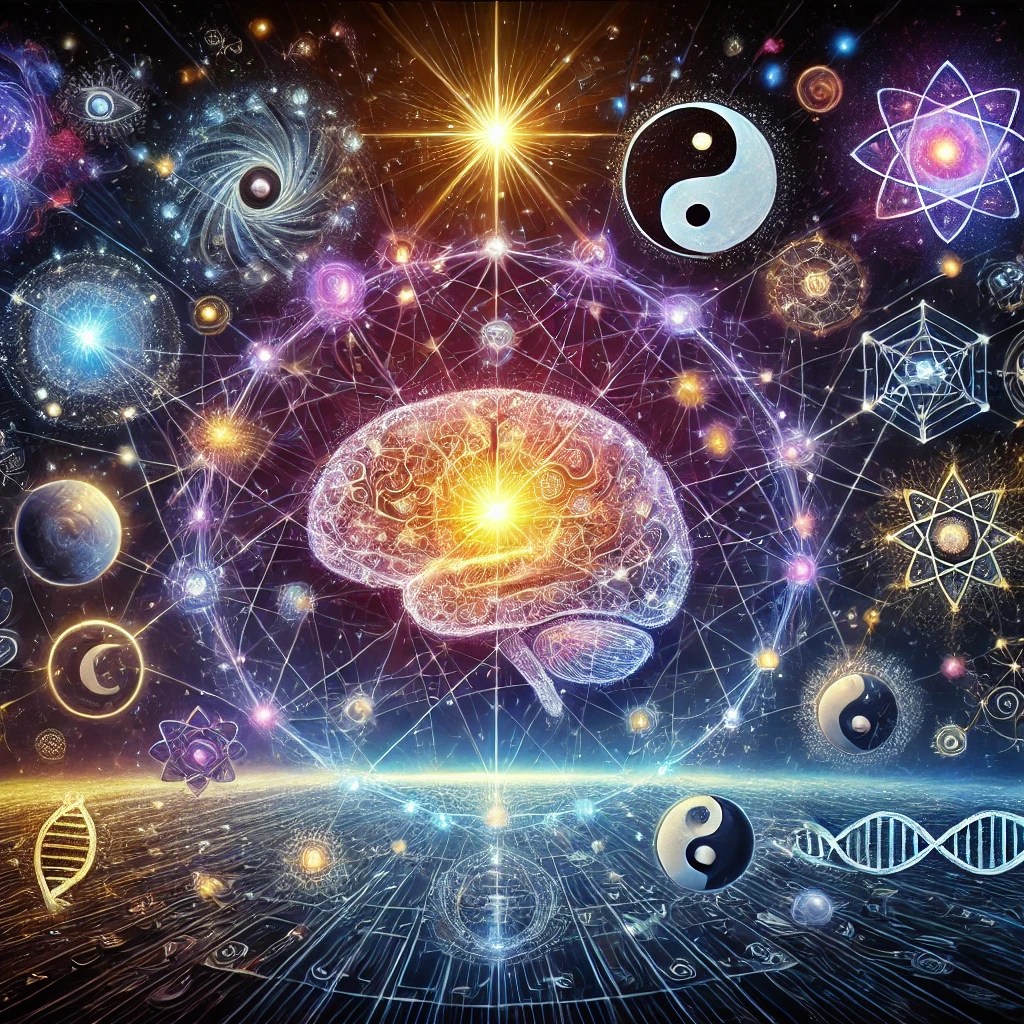
In the ever-evolving landscape of psychology and philosophy, there are a few enduring frameworks that strive to explain the core elements of human experience. Among these, Nexus Epistemology offers a groundbreaking, all-encompassing theory that unites neuroscience, psychology, and philosophy. It provides a fresh perspective on how information is the very building block of reality and human consciousness. But is it a grand theory in its own right?
What Makes a Grand Theory?
A grand theory is an expansive framework that attempts to explain a wide range of phenomena—both psychological and physical—through a unified conceptual lens. It provides a comprehensive understanding that not only synthesizes existing knowledge but also predicts outcomes and guides practical applications in real-world settings. Classic examples in psychology include Psychoanalysis, Behaviorism, and Cognitive Theory.
Nexus Epistemology meets these criteria, offering a coherent system that explores the fundamental nature of information as the core substance of existence and cognition. Below, I’ll walk you through the key features that position Nexus Epistemology as a grand theory.
The Core Premise of Nexus Epistemology
At its heart, Nexus Epistemology posits that information is the foundational force behind all matter, energy, and cognition in the universe. The epistem, a term borrowed from epistemology (the theory of knowledge), is defined as the informational structure that organizes everything—from physical matter to thoughts, emotions, and behaviors.
The epistem is the invisible “scaffolding” behind neural networks and the brain’s processing of information. It is, in essence, the guide that helps shape neural connections and how we experience reality. Just as the brain’s neurons process data, the epistem organizes this data to form our perceptions, emotions, and actions.
Nexus Epistemology and the Role of Information
Information isn’t just something we absorb; it is embedded within the very fabric of the universe. Every object, event, and experience in the universe carries informational content that can be interpreted through the lens of the epistem. This idea stretches beyond just the mind and into the ontological realm, where universal referents (like time, space, and weather) and meta-referents (like the Hero’s Journey) help organize our reality.
For instance, the universal referents include things like age, weight, and temperature, which are part of the physical universe. Meanwhile, meta-referents are more abstract concepts like the archetypes or narrative structures (like the Hero’s Journey) that help us organize and interpret those physical realities.
The beauty of Nexus Epistemology is that it embraces flexibility—acknowledging that individuals interpret the same universal principles in unique ways based on their personal epistemic fields. These are shaped by personal and cultural contexts, allowing for both universal and personalized experiences of the world.
Nexus Epistemology: A Holistic Approach to Human Experience
Nexus Epistemology is a comprehensive theory that spans cognition, emotion, behavior, and therapeutic processes:
- Cognition: The brain’s neural networks are the physical manifestation of the epistem. It organizes and processes sensory data to create our thoughts, memories, and understandings of reality.
- Emotion: The emotional experience is also informational, shaped by how the epistem interprets sensory input and creates patterns of feeling based on neural pathways.
- Behavior: Human behavior emerges from the informational content of the epistem and the ways individuals act upon the mental and emotional structures that are created within them.
- Therapeutic Processes: In therapy, the goal is not just to address thoughts and behaviors directly. Rather, therapeutic interventions help individuals access and reinterpret the informational content within their epistemic field. This can result in reframing emotional responses and behaviors by altering the ways information is processed and understood.
Integration of Neuroscience and Epigenetics
A major strength of Nexus Epistemology is its integration with modern neuroscience and epigenetics. The theory agrees with contemporary science on how neural networks function and how neuroplasticity (the brain’s ability to reorganize itself) plays a role in cognition and behavior. But, Nexus Epistemology goes a step further by proposing that the epistem acts as an organizing force behind these neural processes.
Additionally, epigenetics plays a critical role. The way information is encoded and expressed in our genes is influenced by environmental factors, which shape how we perceive the world and organize our personal referents.
The Philosophical Foundation: Meta-Modernism and Sacred Experience
Nexus Epistemology also draws on a meta-modern perspective, which blends the scientific with the sacred. It acknowledges the importance of ancient wisdom, particularly in the realm of shamanic and spiritual experiences. These practices offer insights into the deep, often inexplicable aspects of human consciousness, which Nexus Epistemology integrates with modern scientific understandings of the brain and body. This approach provides a space for both scientific and spiritual experiences, embracing flexibility and openness to diverse ways of knowing.
Nexus Epistemology in Practice
Therapists and counselors can use Nexus Epistemology to help clients reframe their mental and emotional experiences by targeting the informational content in their epistemic field. This can involve working with personal referents (such as life experiences and memories) and meta-referents (like narratives and cultural archetypes) to help shift their perceptions and behaviors.
Why Nexus Epistemology is a Grand Theory
Nexus Epistemology qualifies as a grand theory because it offers a comprehensive framework that explains how human beings interact with and process the world around them. By focusing on information as the foundational building block of existence, it connects multiple disciplines, including neuroscience, psychology, philosophy, and spirituality, into a cohesive, unified system.
The theory not only offers deep insight into human cognition and behavior but also provides practical applications for therapists and counselors in treating emotional and psychological challenges. It offers the potential to improve both our scientific understanding of human consciousness and our practical therapeutic methods.
Conclusion
In sum, Nexus Epistemology offers a powerful new paradigm for understanding both the nature of reality and the human experience. By positioning information as the foundational principle of existence and cognition, it provides a novel lens through which we can explore and transform our inner worlds and, ultimately, our reality.
As this theory continues to develop, its potential to influence psychology, therapy, and interdisciplinary research could lead to profound shifts in our understanding of the mind, body, and universe. It’s an exciting time to engage with Nexus Epistemology and begin exploring its implications for the future of human knowledge and healing.
 Soulstice Counseling